
Hear from Our Customers
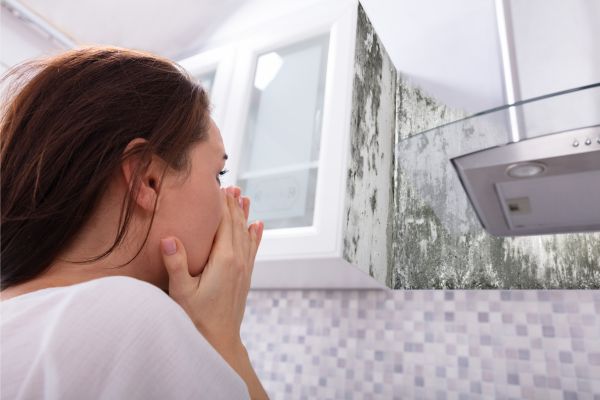
Most people call us because something feels off. A musty smell that won’t go away. A patch of discoloration near the window. Respiratory symptoms that get worse at home.
You don’t need someone to tell you mold is dangerous. You already know that. What you need is someone who can tell you what type of mold you’re dealing with, how much of it there is, and where it’s actually growing—not just where you can see it.
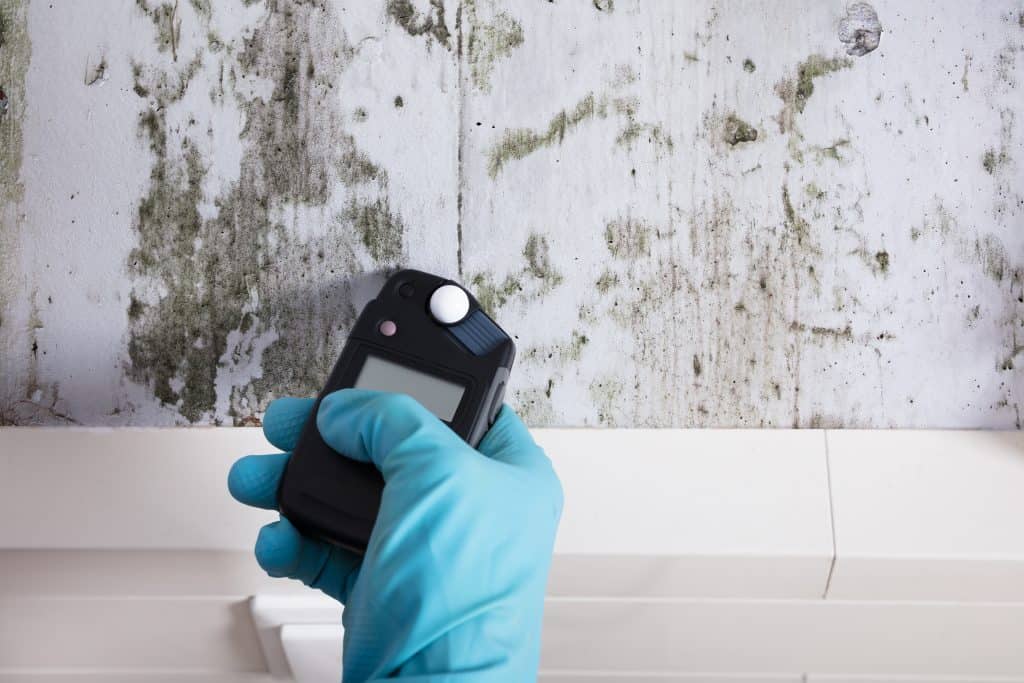
Our certified mold inspections give you lab-verified results that show the species and concentration levels in your home. We use thermal imaging and moisture meters to find hidden growth behind walls, under floors, and in crawlspaces. You’re not guessing. You’re not overreacting. You’re making decisions based on real data.
Once you know what’s there, you can decide what to do about it. And if remediation is needed, you’ll have documentation that holds up with insurance companies, real estate transactions, or legal disputes.
We’ve been serving Bucks County homeowners for years with one clear mission: creating healthy homes. We’re licensed in Pennsylvania to conduct professional mold assessments, and we keep testing separate from remediation so you get an unbiased opinion.
That matters more than you’d think. When the same company tests and removes, there’s a built-in incentive to find more problems. We don’t operate that way.
Upper Black Eddy’s older homes, combined with the humidity we get from the Delaware River and Bucks County’s damp climate, create perfect conditions for mold growth. We’ve seen it in basements, behind drywall, under carpets, and in attics with poor ventilation. Our team knows what to look for and where to look—because we’ve been doing this long enough to recognize the patterns.
We start with a visual inspection of your property—inside and out. We’re looking at areas where moisture tends to accumulate: bathrooms, kitchens, basements, crawlspaces, attics, and anywhere you’ve had water intrusion or leaks.
Then we use moisture meters and thermal imaging cameras to detect hidden moisture and temperature variations that indicate mold growth you can’t see. If we find suspicious areas, we take air samples and surface samples to send to an independent microbiology lab for analysis.
The lab results tell us exactly what species of mold are present and in what concentrations. Black mold, aspergillus, penicillium—each one behaves differently and requires different approaches. We walk you through the findings in plain language, explain what they mean for your health and your property, and outline what needs to happen next.
If remediation is necessary, we provide a detailed protocol. If it’s not, we tell you that too. You’ll have certified documentation either way, which is essential for insurance claims, real estate deals, or just your own peace of mind.
Ready to get started?
Every residential mold testing appointment includes a thorough inspection of your entire property, including hidden areas like wall cavities and crawlspaces. We use moisture detection equipment to identify problem zones and take samples from multiple locations to get an accurate picture of what’s happening.
Those samples go to a third-party lab that’s not affiliated with us. You get a full report showing the species identified, the concentration levels, and whether those levels are abnormal compared to outdoor air. That’s important—because some mold is always present. What matters is the type and the amount.
In Upper Black Eddy, we see a lot of mold issues tied to older construction, basement moisture, and poor attic ventilation. Homes built decades ago weren’t designed with the same moisture barriers we use today. Add in Bucks County’s humid summers and you’ve got an environment where mold thrives if water gets in and doesn’t dry out fast enough.
We also offer same-day testing for urgent situations—like if you’re closing on a house, dealing with a tenant dispute, or someone in your family is experiencing serious respiratory symptoms. Our inspectors can typically get to your location within 24 hours.
Most residential mold inspections in Upper Black Eddy range from $300 to $600, depending on the size of your home and how many samples we need to collect. That includes the visual inspection, moisture detection, sample collection, lab analysis, and a detailed report.
If you’re comparing prices, make sure you’re comparing the same scope of work. Some companies charge extra for lab fees or limit the number of samples included. We’re upfront about what’s covered.
We also offer free initial inspections to assess the situation before you commit to testing. That way, if it’s something obvious—like a small patch of surface mold from a recent leak—we can tell you that without charging you for a full lab test.
Lab results typically come back within 3 to 5 business days after we collect the samples. We send them to an independent microbiology lab that analyzes the species and concentration levels.
Once we receive the results, we’ll walk you through them in detail—either over the phone or in person, depending on what you prefer. We explain what was found, what it means, and what your options are.
If you’re in a time-sensitive situation—like a real estate closing or an insurance claim deadline—let us know upfront. We can request expedited lab processing for an additional fee, which can get you results in 24 to 48 hours.
Yes. When we send samples to the lab, they identify all mold species present, including Stachybotrys chartarum—the species most people call black mold. The lab report will show exactly what’s there and in what quantities.
It’s worth noting that “black mold” has become a catch-all term, but not all black-colored mold is Stachybotrys. And not all dangerous mold is black. Some species that cause serious health problems are white, green, or brown.
That’s why lab testing matters. You’re not guessing based on color or texture. You’re getting a scientific identification that tells you what you’re actually dealing with, which determines the right removal approach and whether you need to take immediate action.
No. Mold testing is non-invasive and safe. You can stay in your home during the entire process.
We’re not disturbing mold colonies or creating airborne spores during testing—we’re collecting small samples in a controlled way. The inspection usually takes 1 to 2 hours depending on the size of your property and how many areas we’re checking.
If we do find mold and you move forward with remediation, that’s a different story. During removal, we set up containment barriers and use air scrubbers to prevent spores from spreading. Depending on the extent of the growth, we may recommend staying elsewhere temporarily. But that’s only if remediation is needed—not during the testing phase.
It depends on your policy and what caused the mold. Most homeowners insurance covers mold if it resulted from a “covered peril”—like a burst pipe, roof leak, or appliance malfunction that happened suddenly.
If the mold developed over time due to ongoing moisture problems, high humidity, or lack of maintenance, insurance typically won’t cover it. That’s considered a homeowner responsibility.
We recommend calling your insurance company before scheduling a test if you’re hoping to file a claim. Ask specifically whether mold testing and remediation are covered under your policy and what documentation they’ll need. We can work directly with your insurance adjuster and provide the certified reports they require.
If we find mold, we’ll explain what species it is, where it’s growing, how extensive the problem is, and what’s causing it. Then we’ll outline your options.
Small areas of surface mold—less than 10 square feet—can sometimes be cleaned by the homeowner if it’s non-toxic and the moisture source is fixed. We’ll tell you if that’s the case.
For larger infestations, toxic species like black mold, or growth inside walls and HVAC systems, you’ll need professional remediation. We’ll provide a detailed protocol that follows EPA guidelines and Pennsylvania regulations. That protocol can be used to get quotes from remediation companies, file insurance claims, or resolve real estate disputes.
The most important thing we do is identify the moisture source. If that’s not fixed, the mold will come back within weeks—no matter how thoroughly it’s removed. We’ll tell you what’s feeding the problem so you can address it permanently.
Other Services we provide in Upper Black Eddy